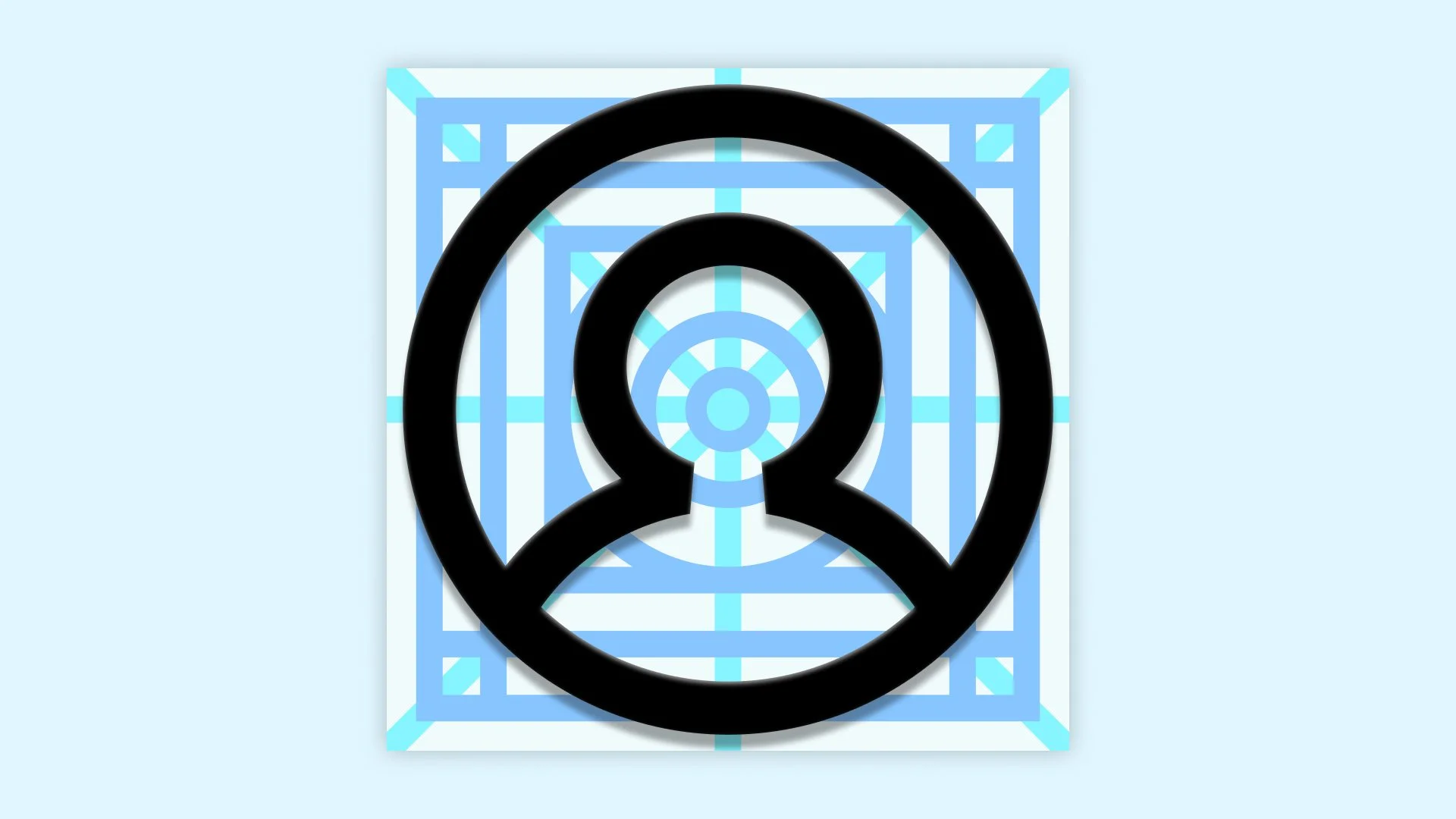
Icon Refresh for Airbnb
UX DESIGN, SYSTEMS DESIGN
My final project at Airbnb was a large-scale effort involving cross-functional teams and a tight deadline. I was brought on as the project design lead to create a new icon system that could scale seamlessly across multiple platforms.
Building on explorations from both internal and external design partners, I developed a modular framework that allowed our team to design and produce new icons quickly and efficiently. Over the course of just two months, we delivered more than 500 icons—both outlined and filled—ensuring consistency, flexibility, and alignment with Airbnb’s evolving brand language.
Research and initial planning
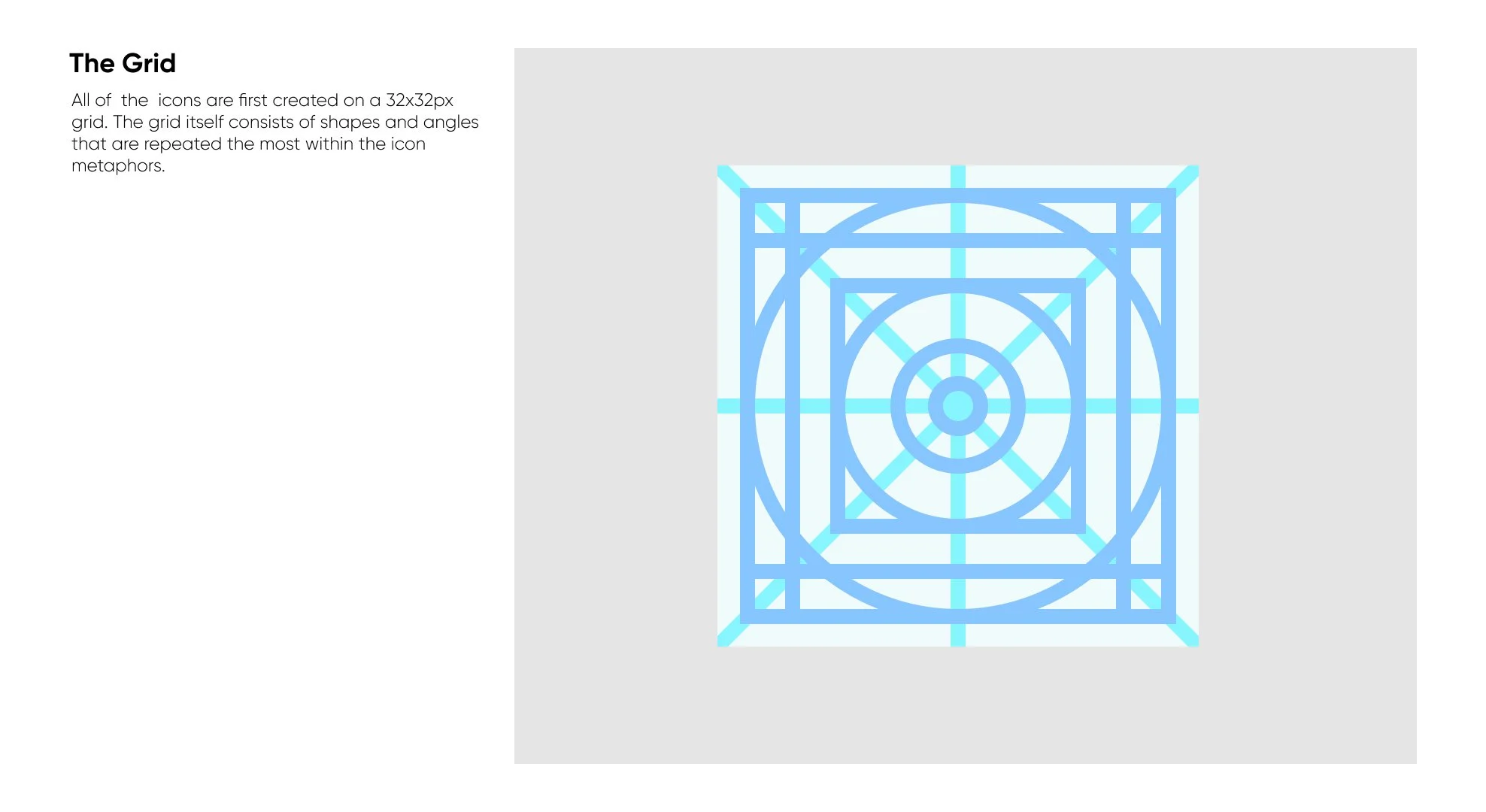
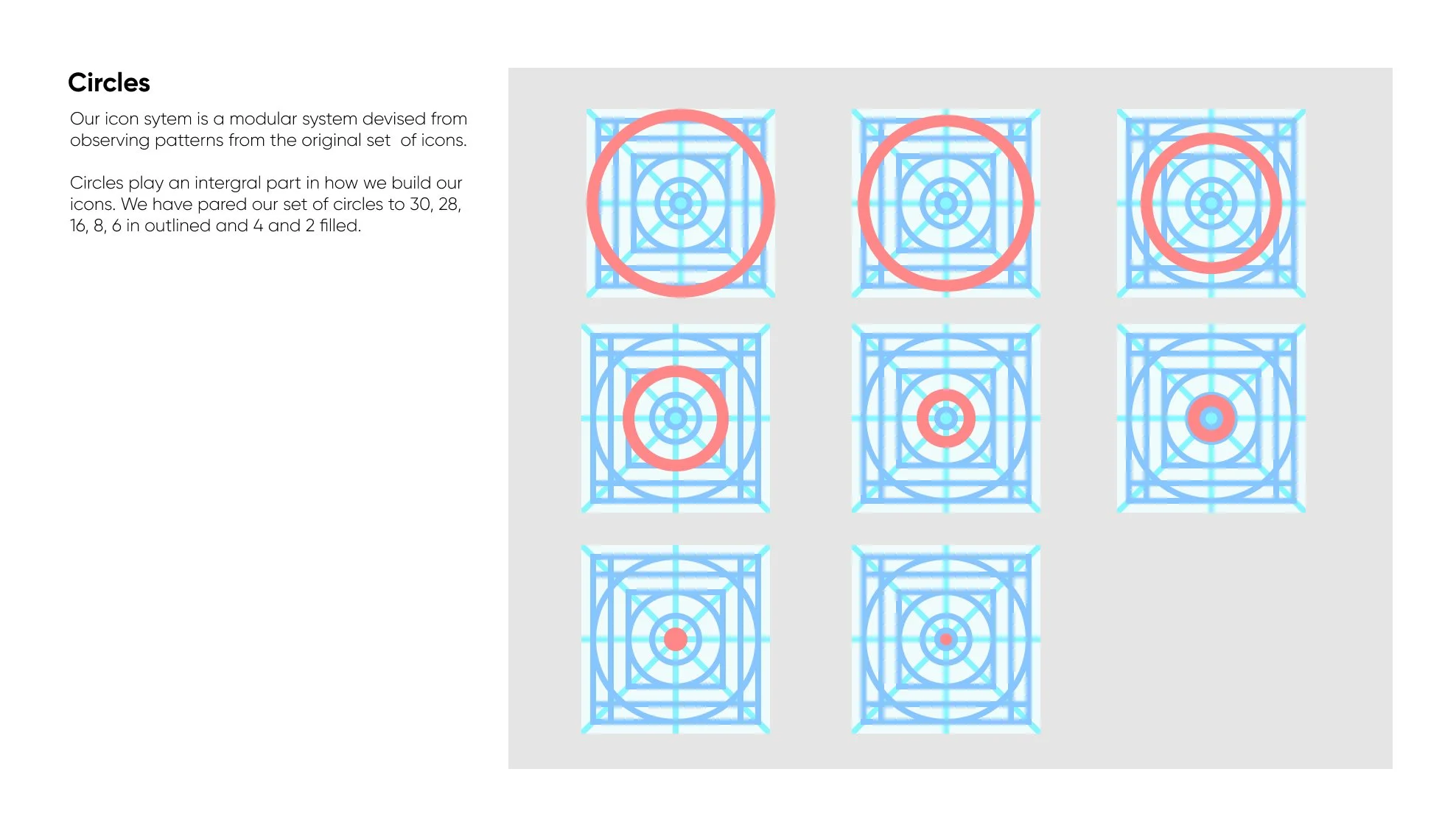
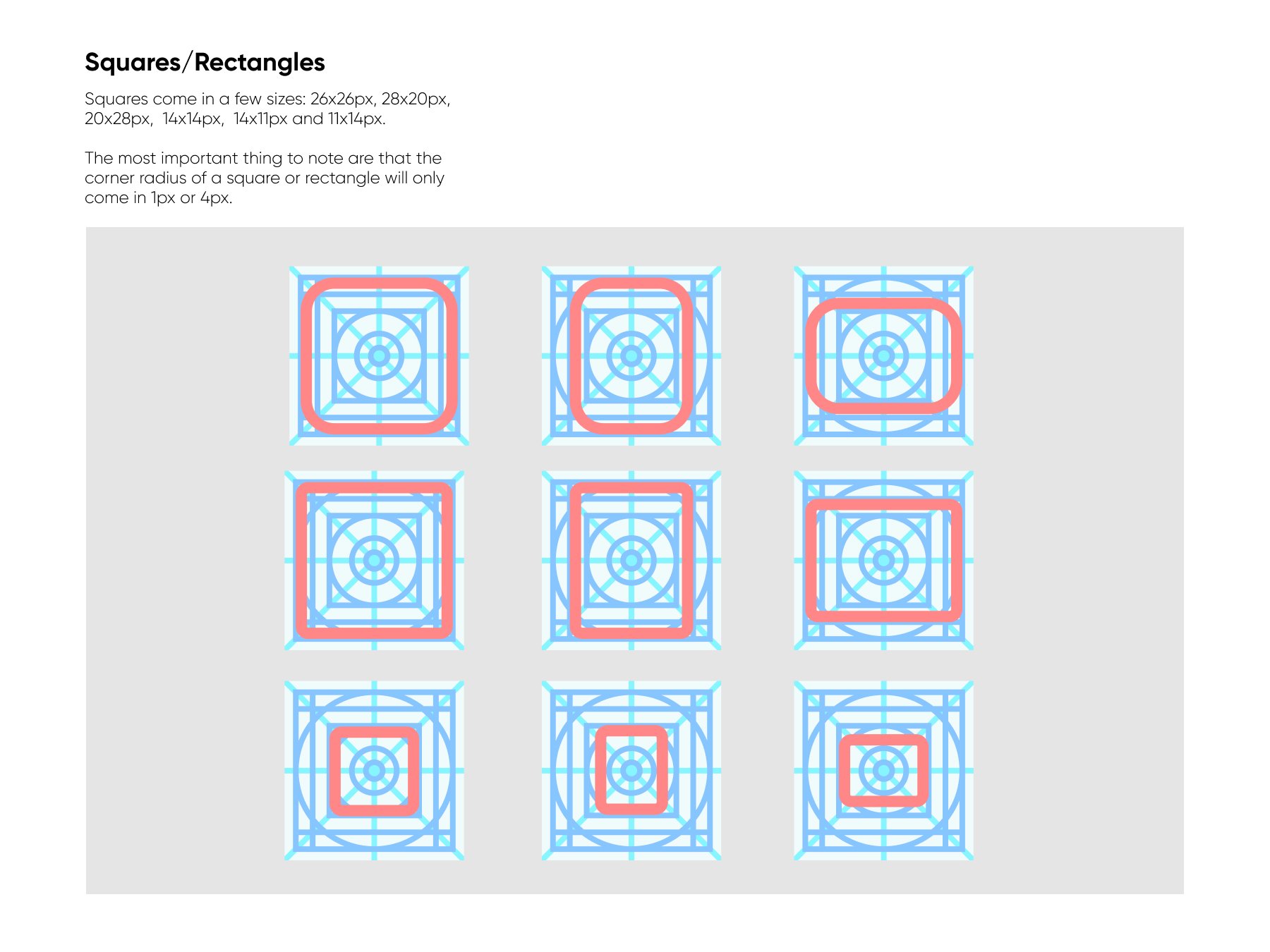
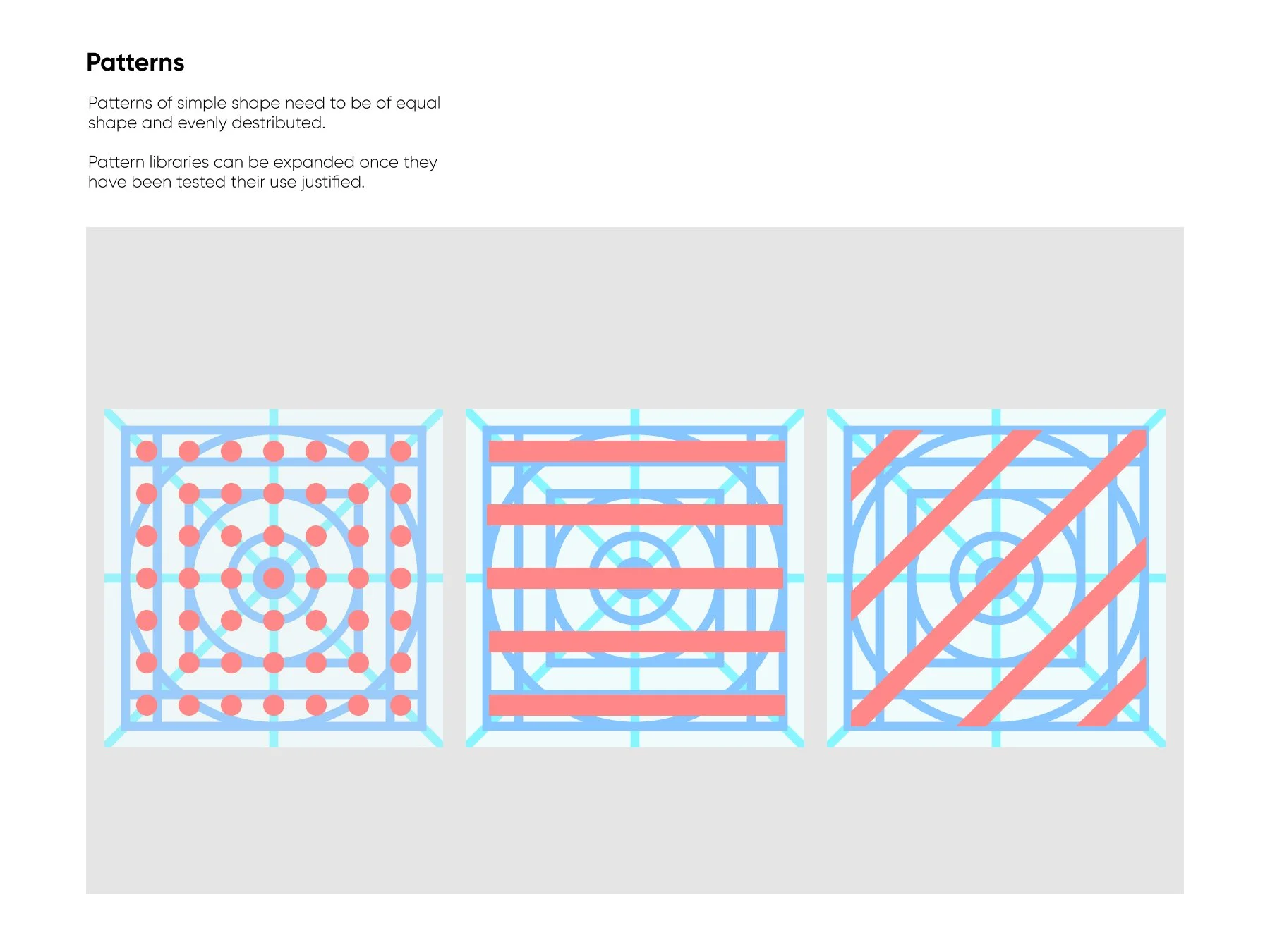
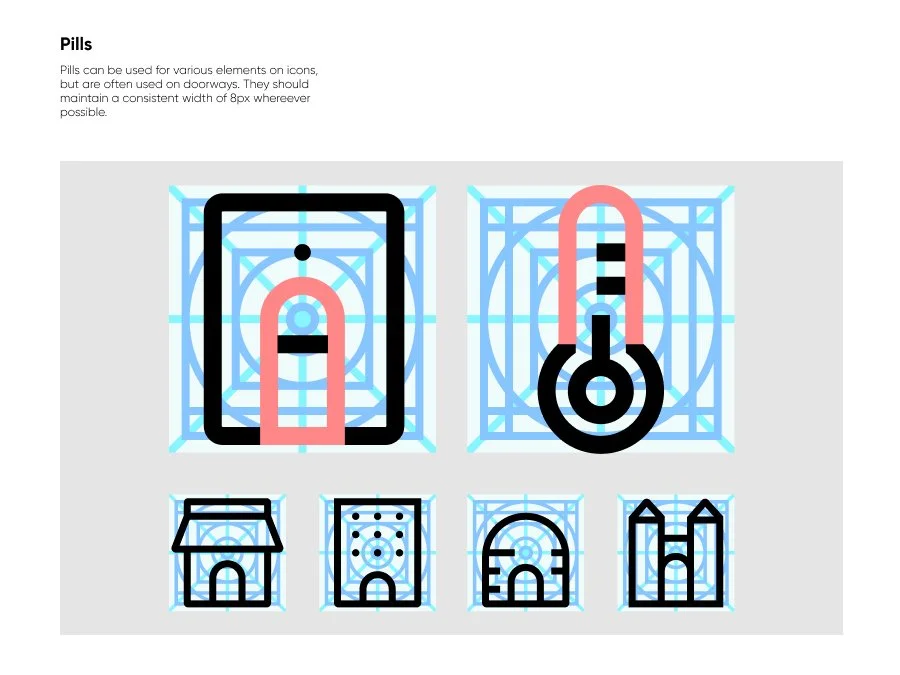
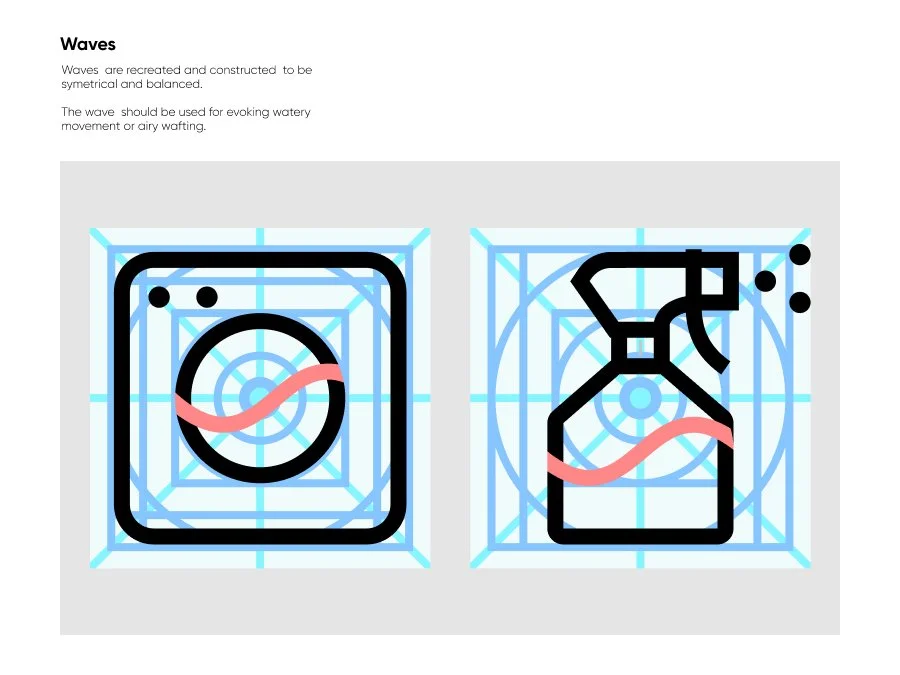
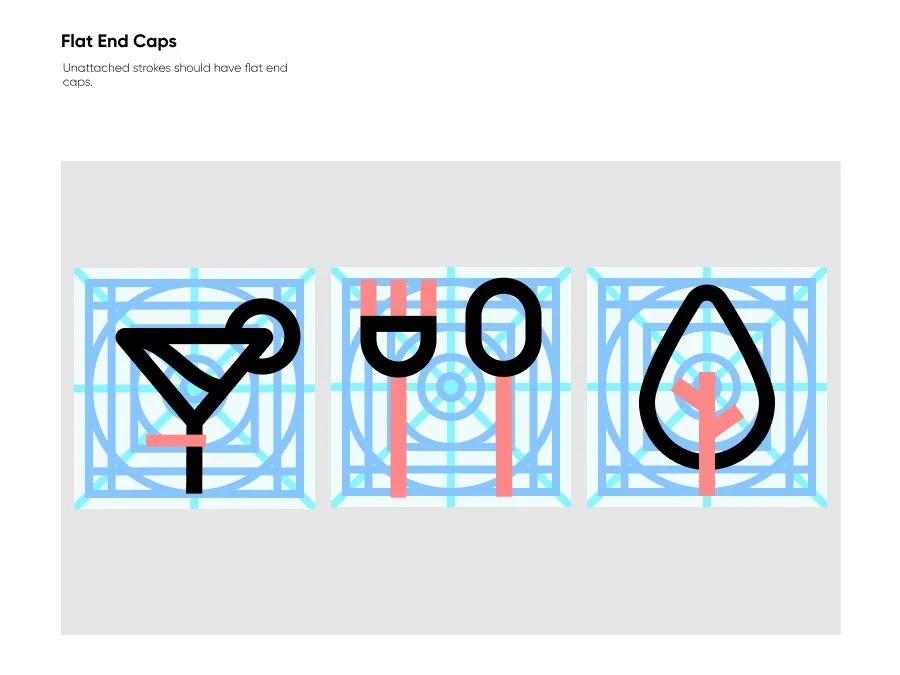
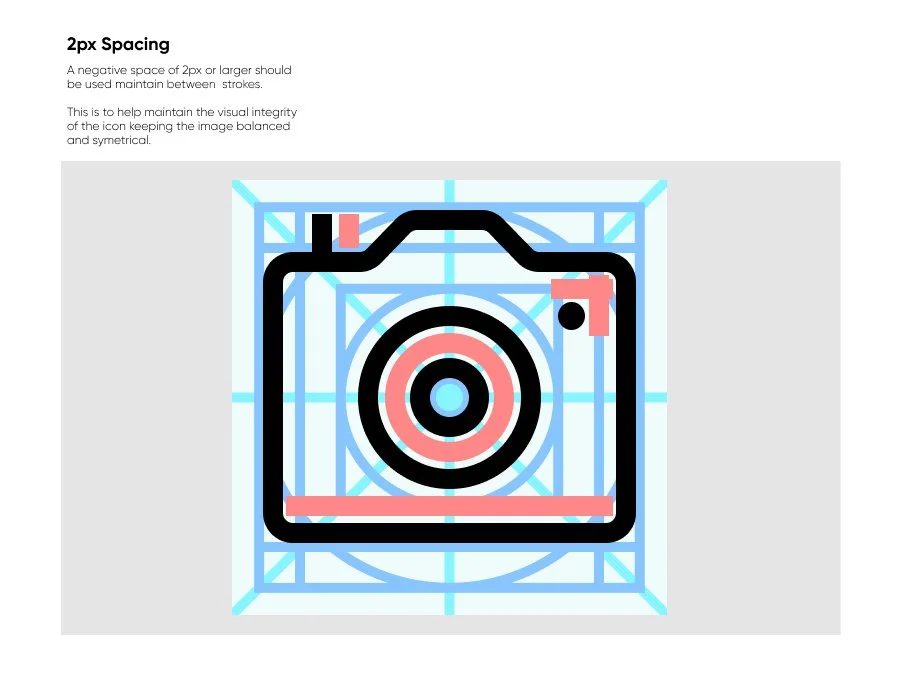
After our initial set of icons was approved by the design leadership team, I began breaking them down into modular components and recurring visual patterns. The goal was to create a flexible system—one that would allow us to rapidly design new icons while maintaining visual consistency across the set.
By developing a clear construction logic and outlining the guidelines behind each icon’s structure, our small icon team was able to work much more efficiently. We could quickly update legacy icons and generate new ones with ease, all while staying aligned with the evolving aesthetic of Airbnb’s design language.
the outcome
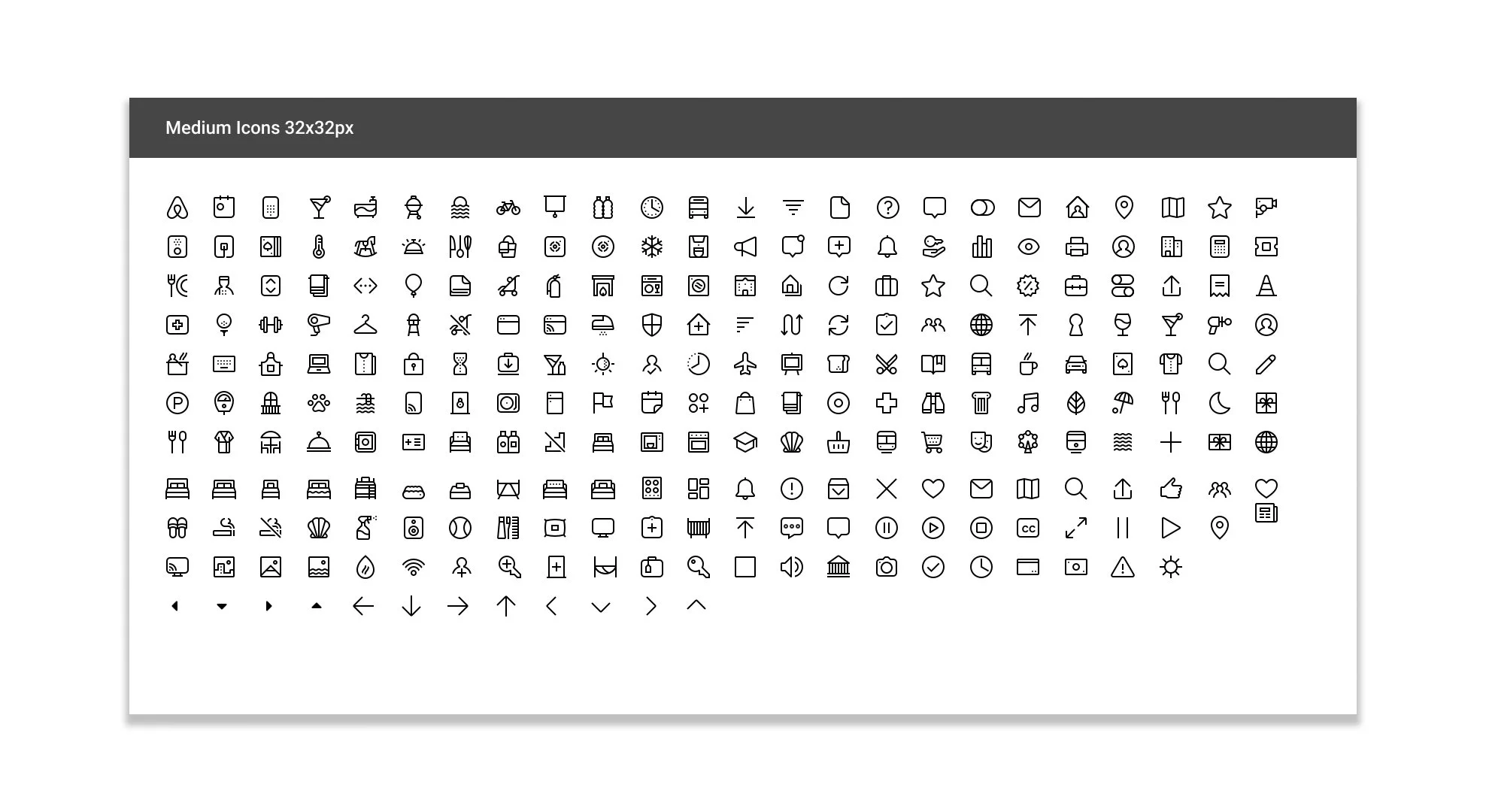
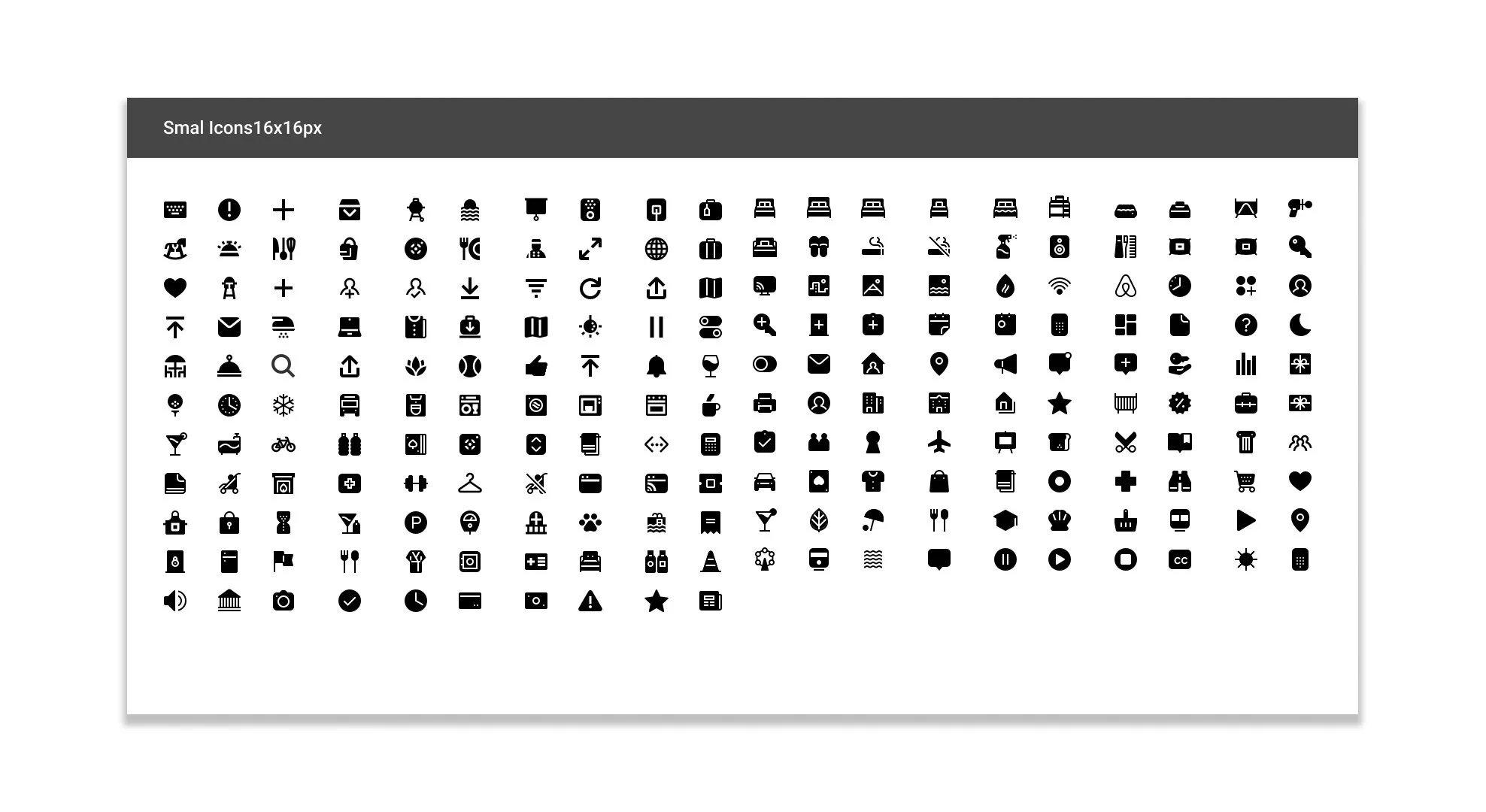
We kicked off the project in late August and delivered the first batch of icons by mid-November—over 500 in total, across both filled and outlined styles. From there, our team continued to design new icons weekly, responding to the evolving needs of various product teams.
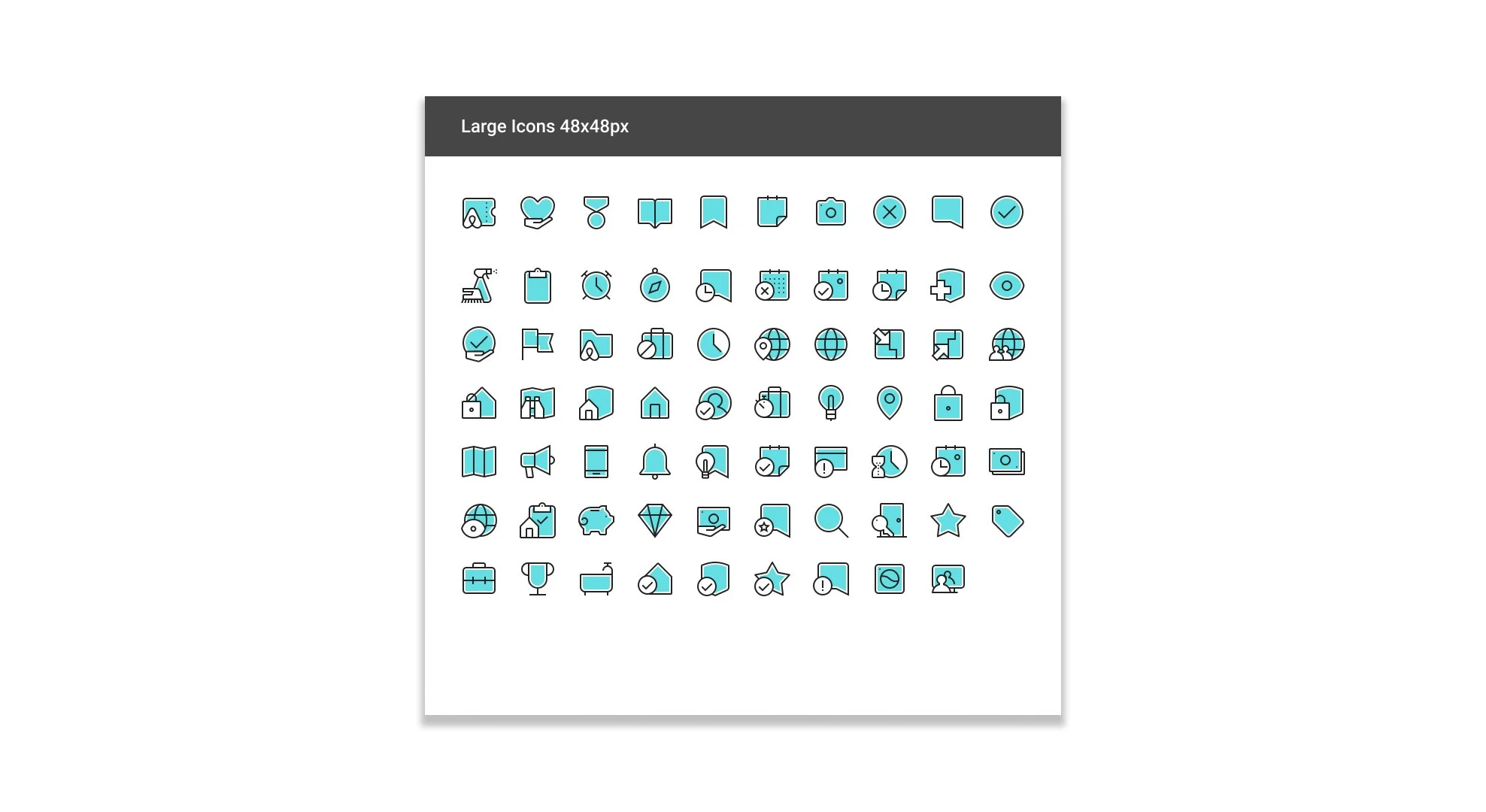
Throughout the process, there were moments where we had to pause, reassess entire icon sets, and realign on our design goals to ensure consistency and quality. In March, we delivered a second batch—this time focused on larger-format icons built at 48x48px, rounding out the system with assets designed for higher-impact use cases.
REFLECTION
LLooking back, I thought I had a solid understanding of iconography and system design—but building a set at this scale, with so many visual and technical nuances, taught me a lot. One of the biggest takeaways was the importance of involving developers early in the process to better understand implementation constraints. I also learned the value of regularly checking in with both product managers and designers to gather feedback and surface concerns.
In general, I now believe that bringing cross-functional partners into the conversation earlier helps align goals, clarify expectations, and make the end product stronger. This was one of my favorite projects to be a part of, and I’m grateful to have collaborated with such a thoughtful and talented team.